


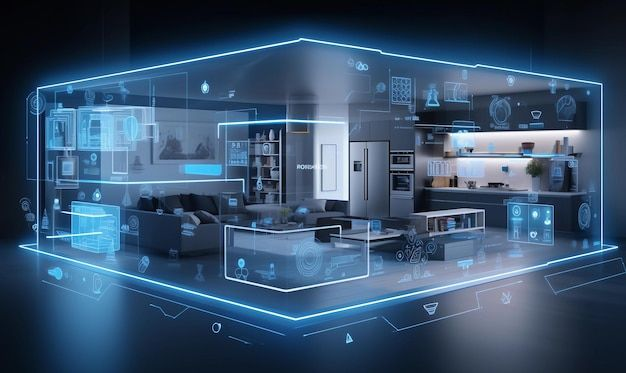
The AI era is transforming the way we live, work, and interact. What started with smart home technology—like voice assistants, connected appliances, and energy-saving devices—has now scaled up to smart cities powered by artificial intelligence, the Internet of Things (IoT), blockchain, and 5G connectivity. This evolution of digital life represents one of the most significant technological shifts of the 21st century, redefining convenience, security, sustainability, and economic growth.
Smart Homes: The Foundation of Digital Living
Smart homes have become the starting point of the digital lifestyle revolution. Powered by AI assistants like Alexa, Siri, and Google Assistant, these homes integrate IoT devices to create seamless, automated living experiences.
- Energy Efficiency: Smart thermostats and lighting systems optimize electricity usage, lowering costs while promoting sustainability.
- Home Security: AI-driven security cameras, facial recognition, and smart locks keep families safe.
- Health & Wellness: Smart wearables and AI-powered health monitors track sleep, diet, and fitness in real time.
- Convenience: Voice-controlled systems manage everything from groceries to entertainment.
The Rise of Smart Cities: AI at an Urban Scale
While smart homes enhance individual lifestyles, smart cities scale these innovations to entire populations. Governments and urban developers are adopting AI, cloud computing, and big data analytics to create sustainable and efficient urban environments.
- Traffic & Mobility: AI-powered traffic systems reduce congestion, while smart public transport apps optimize routes.
- Energy & Sustainability: Smart grids and renewable energy integration reduce carbon footprints.
- Public Safety: AI-powered surveillance systems and predictive policing improve community security.
- Digital Governance: E-services powered by blockchain provide faster, safer, and more transparent public administration.
The Role of AI in Connecting Smart Homes and Smart Cities
The evolution from smart homes to smart cities is driven by the power of AI.
- IoT Integration: Devices in homes can share real-time data with city infrastructure, improving resource allocation.
- AI-Driven Healthcare: Smart homes equipped with health devices feed data into city healthcare systems for proactive medical support.
- Mobility Ecosystem: Connected cars and smart parking systems create efficient, AI-powered transportation networks.
- Sustainable Living: Smart energy solutions link households to smart city grids for reduced energy waste.
Challenges in the AI-Driven Digital Life
While the AI-driven digital lifestyle offers countless benefits, it also raises critical challenges:
- Privacy & Security Risks: Smart devices collect sensitive personal and financial data.
- Digital Divide: Access to smart technologies varies between urban and rural communities.
- Ethical Concerns: AI surveillance in smart cities may raise human rights and data privacy issues.
- High Investment Costs: Building sustainable smart cities requires significant infrastructure funding.
The Future of Digital Life in the AI Era
By 2030, AI-driven digital life will likely become the global standard. Experts predict:
- Hyper-Connected Cities: Entire ecosystems where smart homes, businesses, and governments operate seamlessly.
- Blockchain-Backed Governance: Transparent, decentralized systems for voting, property management, and identity verification.
- AI-Powered Health & Education: Personalized healthcare and learning accessible through AI and cloud-based platforms.
- Green and Sustainable Living: AI optimizing renewable energy use, reducing emissions, and promoting eco-friendly lifestyles.
