


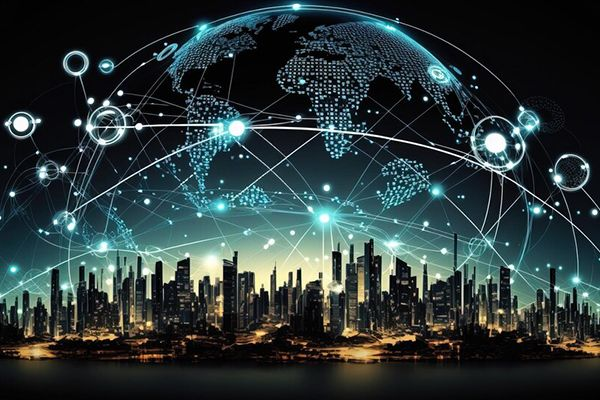
In 2025, digital life is no longer a concept—it’s our reality. With the rise of smart homes, the rapid expansion of remote work, and the growing need for online security, technology has completely transformed how we live, work, and protect our digital identities.
These three pillars—automation, connectivity, and cybersecurity—are shaping the future of our everyday lives. Let’s explore the biggest digital lifestyle trends that are redefining modern living in 2025.
Smart Homes: AI-Driven Living Spaces
Smart homes are at the heart of the digital revolution. Thanks to Artificial Intelligence (AI), Internet of Things (IoT), and cloud computing, homes are becoming smarter, safer, and more energy-efficient.
- AI-Powered Automation: From smart thermostats to AI-driven lighting systems, homes automatically adjust settings based on your habits, saving energy and money.
- Voice Assistants & Smart Devices: Platforms like Amazon Alexa, Google Assistant, and Apple HomeKit now manage everything from home security to grocery shopping.
- Sustainable Living: Smart energy grids and solar-powered storage systems allow homeowners to cut costs while reducing their carbon footprint.
Remote Work: The New Normal in the Digital Economy
The remote work revolution has gone mainstream. In 2025, millions of people work from home, coffee shops, or co-working spaces across the globe, supported by cloud computing and 5G networks.
- Cloud Collaboration Tools: Platforms like Microsoft Teams, Slack, and Zoom AI make communication seamless across time zones.
- Virtual Offices & VR Meetings: Companies are adopting virtual reality workspaces, making remote collaboration more immersive.
- Work-Life Balance: Digital tools help employees manage productivity, while employers benefit from lower overhead costs.
Online Security: Protecting Digital Identities
With the explosion of digital services comes an equally important challenge: cybersecurity. Protecting personal data, financial accounts, and business operations has become a top priority in the digital age.
- Multi-Factor Authentication (MFA): Stronger login systems are preventing data breaches.
- Blockchain Security: Businesses are leveraging blockchain to ensure secure transactions and protect user identities.
- AI-Driven Cybersecurity: Advanced AI systems detect fraud, phishing, and hacking attempts in real time.
- VPNs & Encrypted Cloud Storage: Individuals are adopting personal security tools to safeguard their online presence.
The Intersection of Smart Homes, Remote Work, and Online Security
What makes digital life in 2025 remarkable is the way these technologies work together:
- A smart home integrates with remote work tools, creating the ultimate digital workspace.
- Remote employees rely on secure cloud networks, supported by AI-driven cybersecurity.
- Families enjoy safer smart living thanks to encrypted networks, protecting both personal and professional data.
This interconnected ecosystem makes life more efficient, but also highlights the need for robust online security to ensure trust and safety.
Final Thoughts
The future of digital life is defined by smart homes, remote work, and cybersecurity innovations. Together, they are shaping a world where convenience meets efficiency—without compromising safety.
For businesses, embracing these trends means higher productivity, reduced costs, and better customer experiences. For individuals, it ensures greater comfort, flexibility, and protection in a hyper-connected digital lifestyle.
One thing is certain: the digital future is here, and adapting to it is no longer optional—it’s essential for success in 2025 and beyond.
